Small-business marketers, independent consultants, and agency professionals who want useful, repeatable AI workflows without unnecessary hype.
Practical, evidence-aware guides to using AI in everyday marketing. Each article starts with a compelling question, checks key facts, walks through a realistic workflow, and finishes with one action readers can try immediately.
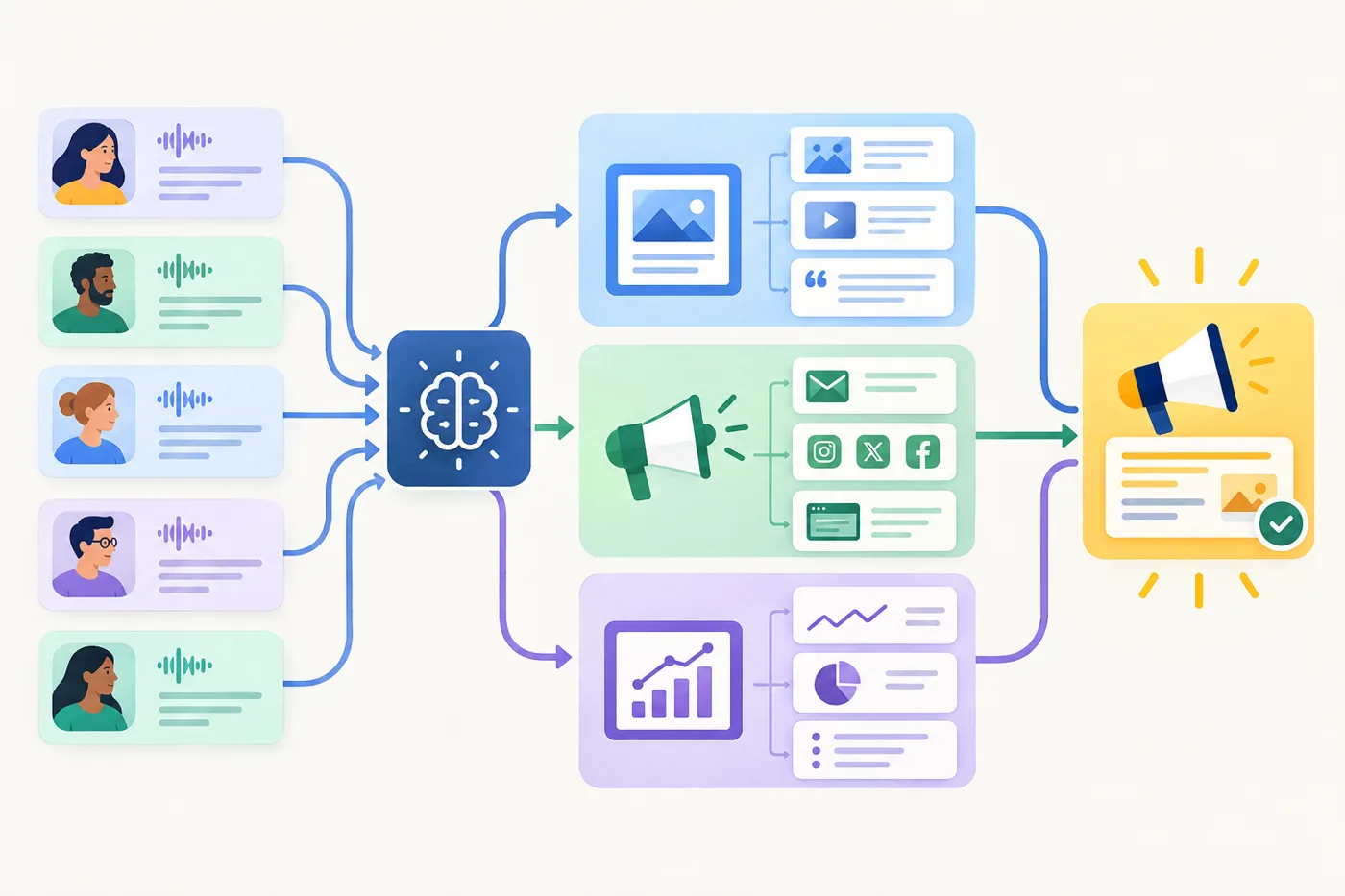
Use AI to group interview notes into recurring needs, then trace each proposed message back to specific quotes and flag where the evidence is thin. Try the workflow on three interviews before updating a campaign.
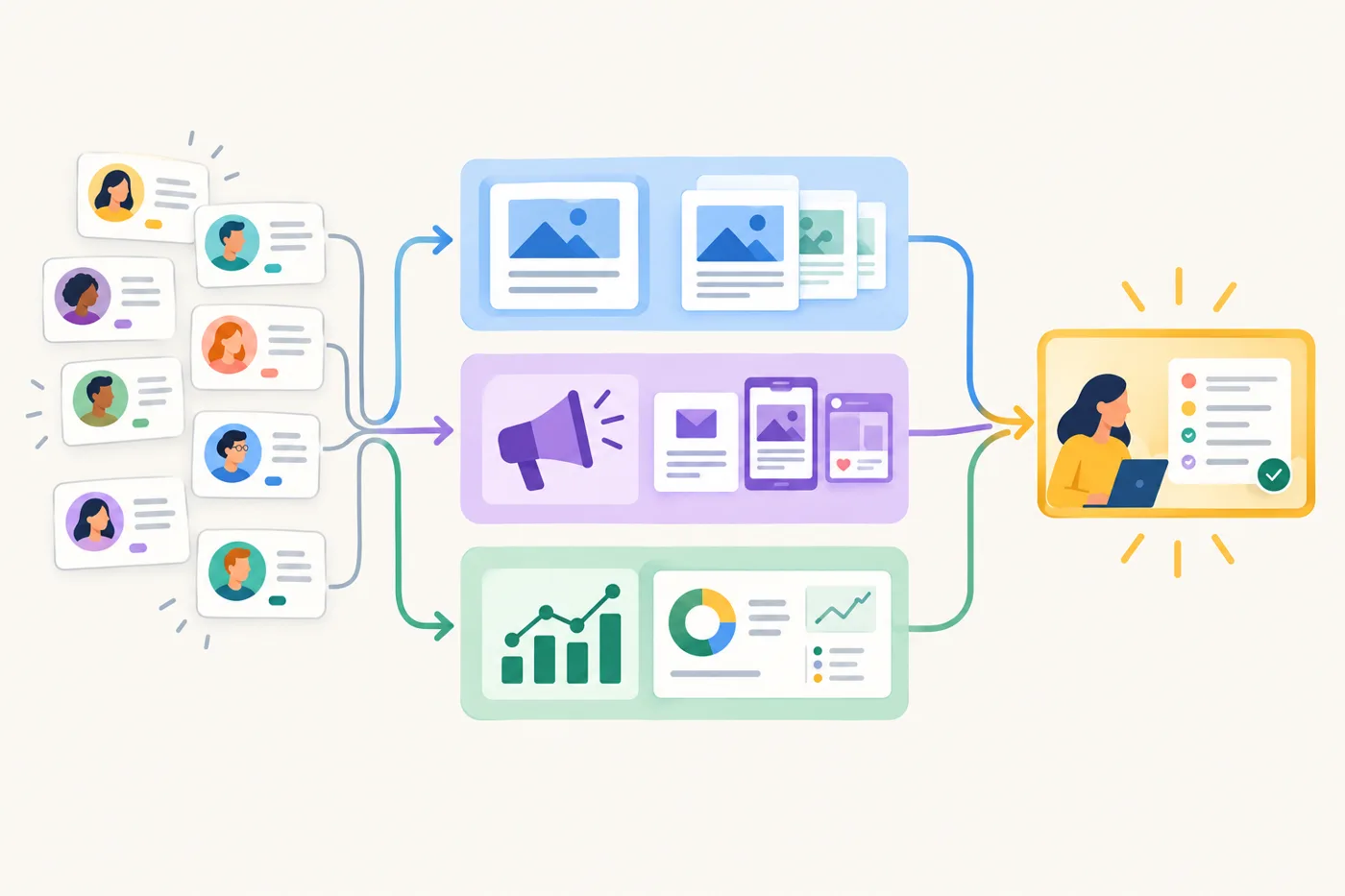
Ask AI to code open-text survey responses while retaining respondent counts, representative excerpts, and an outlier list. Manually review a sample before sharing conclusions with the team.
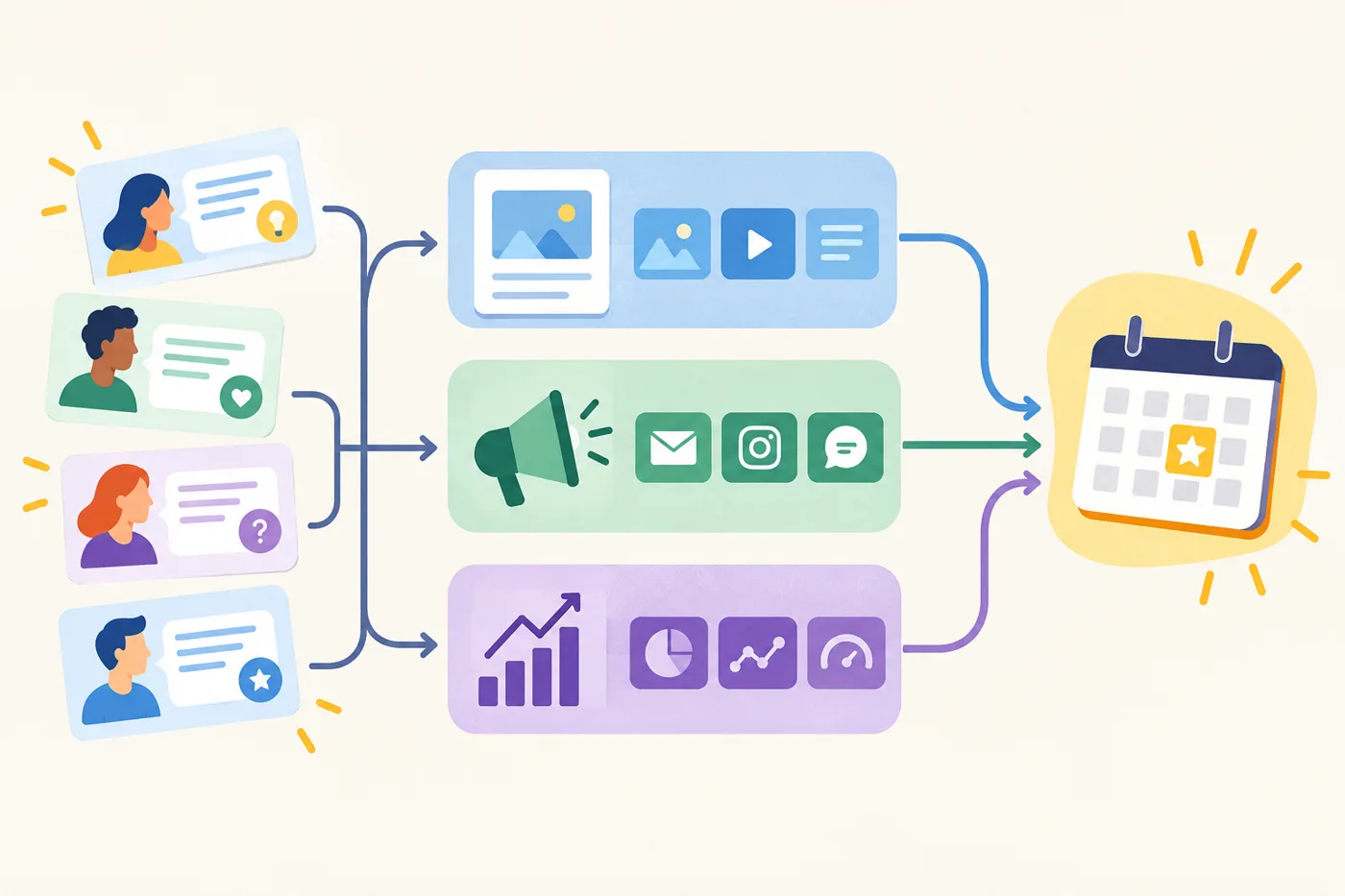
Export a small, privacy-checked sample of support questions and ask AI to sort them by customer task, funnel stage, and unanswered need. Review the clusters before turning them into topics.
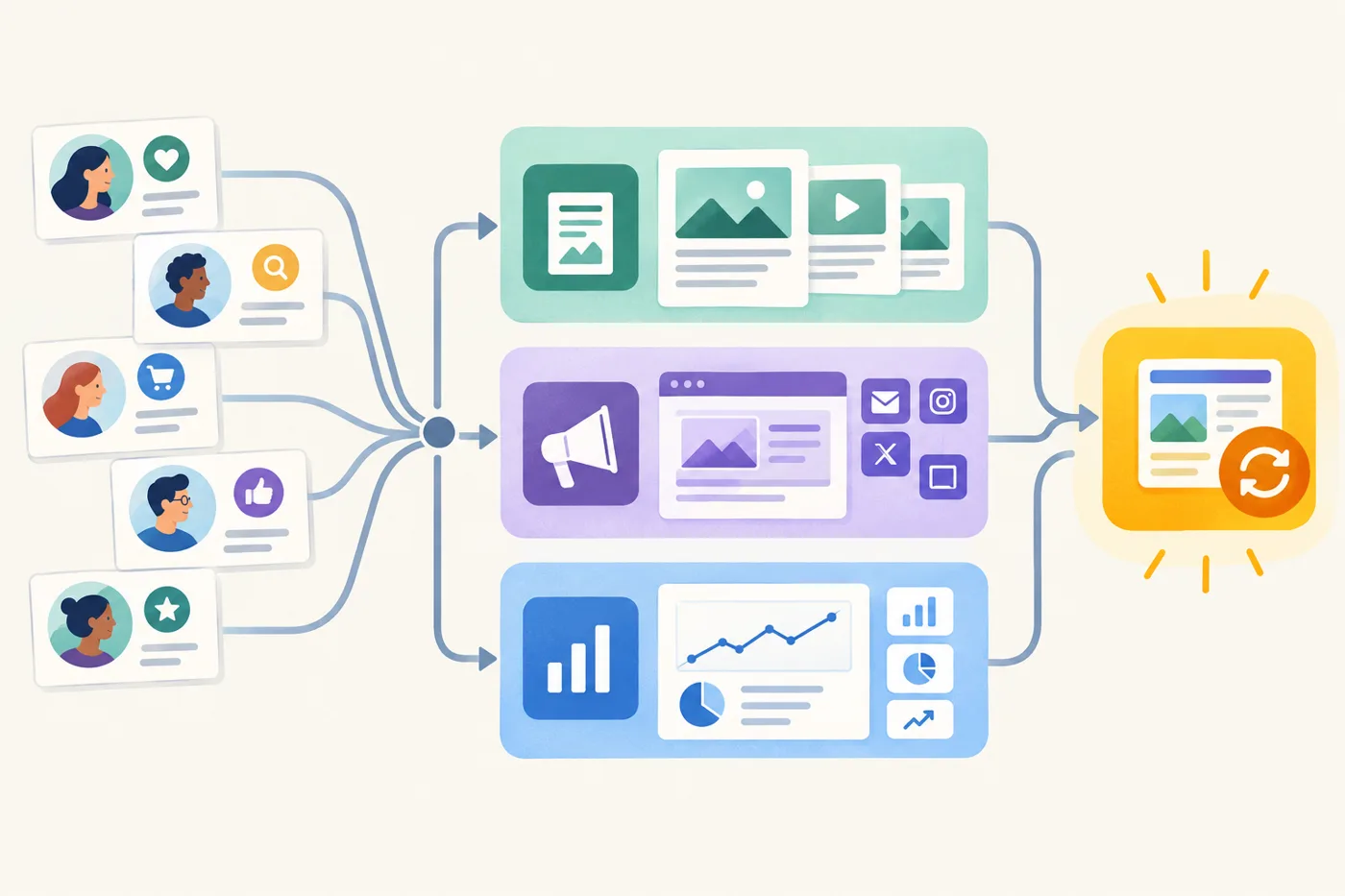
Combine traffic trends with business relevance, accuracy risk, and conversion paths to have AI sort older pages into refresh, monitor, or leave-alone groups. Check the evidence before assigning work.
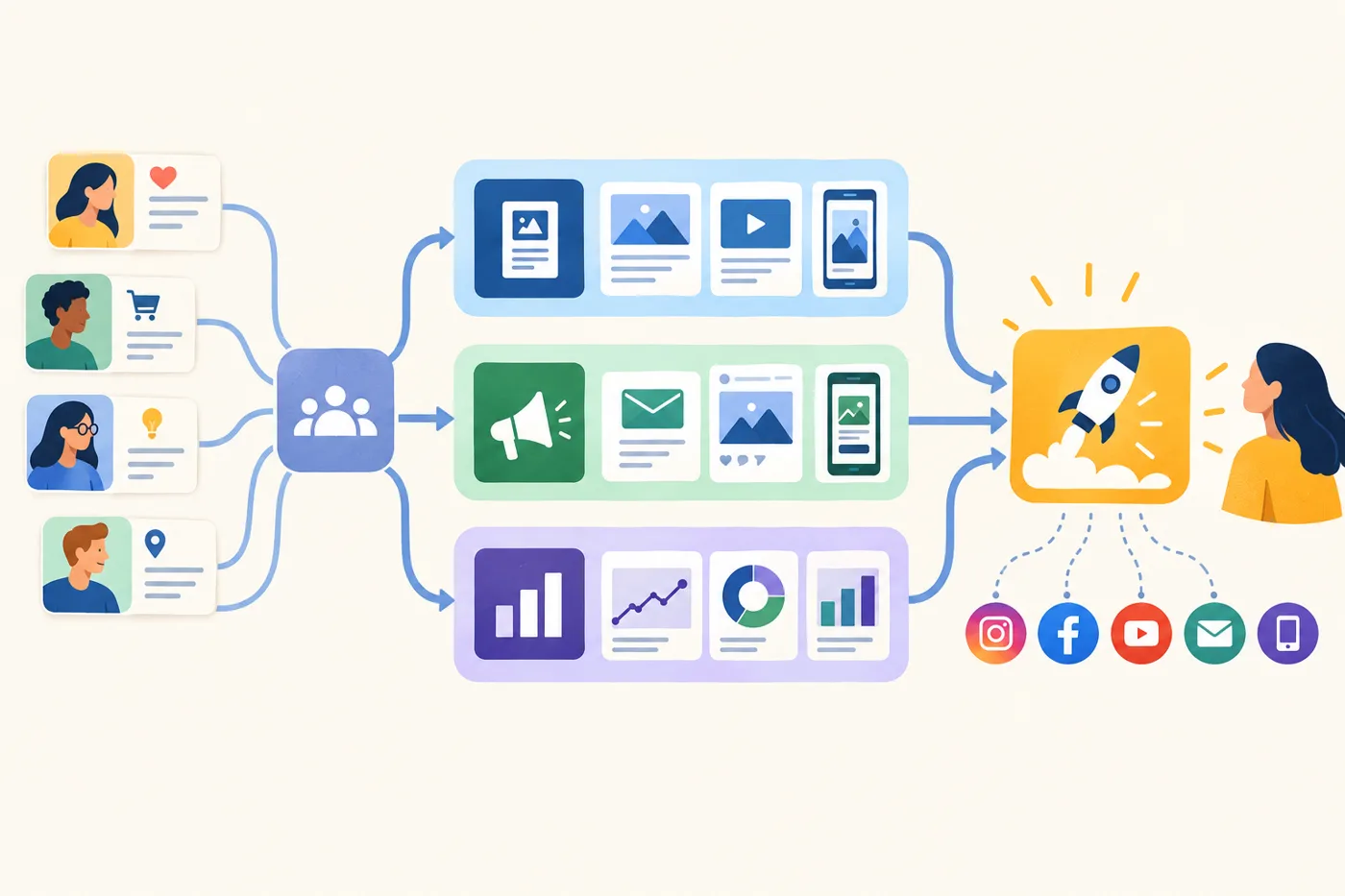
Build a channel-by-channel adaptation workflow that gives AI your approved offer, audience, and claim limits, then checks each draft against the original before launch.
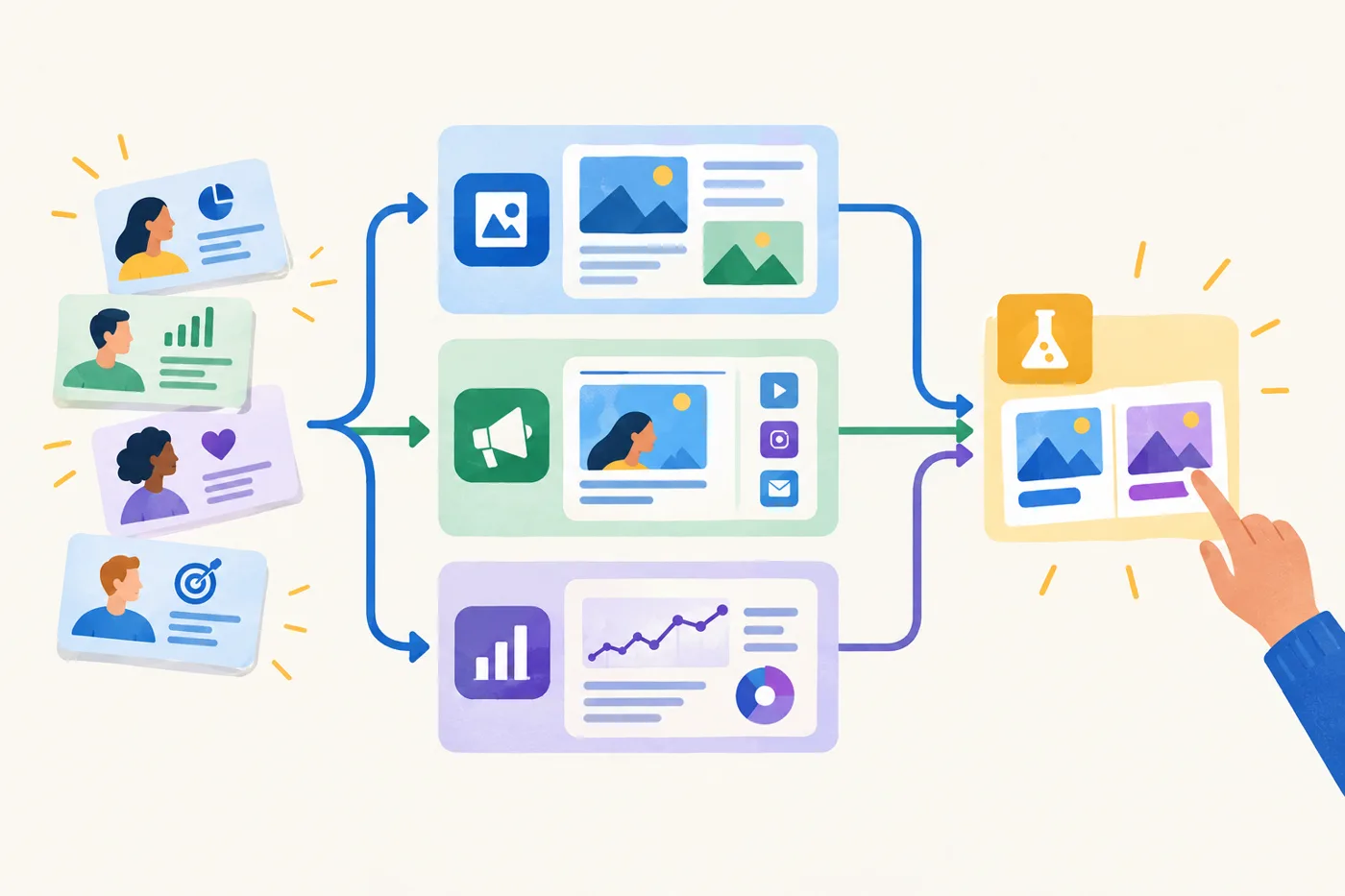
Generate a small set of ad variations from one approved concept, changing a single element at a time. Use a simple test plan to record audience, spend, outcome, and limits before drawing conclusions.
Have AI propose keyword clusters, then compare a sample of search results and likely user tasks before assigning a page to each group. Keep uncertain phrases in a review queue.
Give AI verified query data and notes from pages you have actually reviewed, then ask it to draft a brief with sourced observations and explicit unknowns. Confirm every search-results claim yourself.
Use AI to organize a conversion-drop investigation across tracking changes, landing pages, device mix, and traffic sources. Verify the underlying GA4 data before treating any explanation as a cause.
Use AI to audit a sample of campaign URLs, identify naming variations, and propose a shared UTM convention. Validate the mapping and fix source data before comparing channel performance.