Campaigns
How Do You Adapt One Campaign Across Channels Without Changing Its Promise?
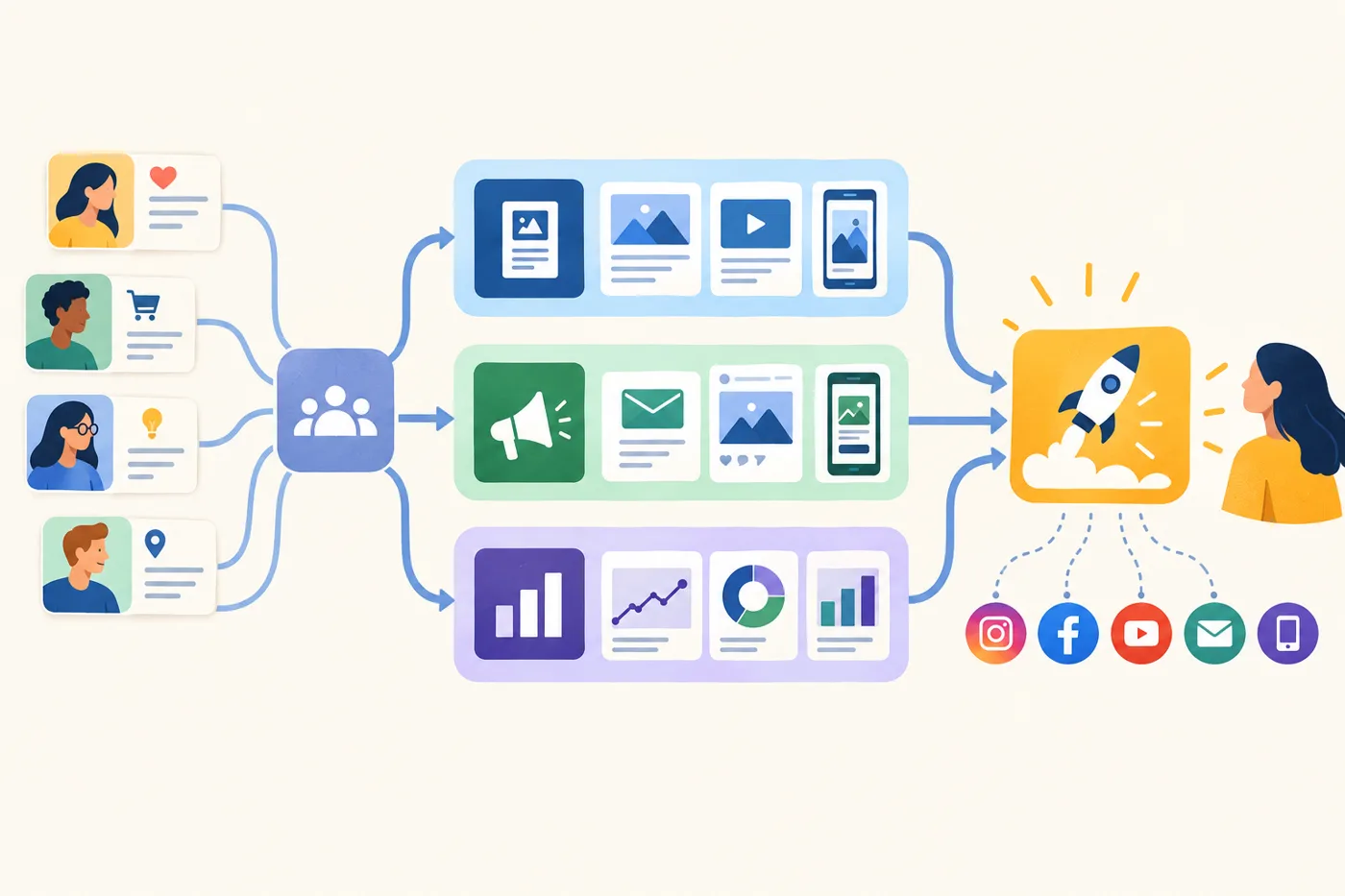
One campaign offer may need to appear in an email, social post, ad, and landing page. Each version should feel native to its channel, but every rewrite creates another opportunity to change what customers expect. Consistency does not mean repeating the same sentence. Adaptation, however, should not alter the offer. Rather than assume a draft preserves that boundary, make human review part of the workflow—especially when wording could affect price, eligibility, conditions, or outcomes. This guide shows how to define what stays fixed, brief AI with channel context, and check drafts before launch. Start with one existing campaign and two channels.
Facts and examples
Source notes for this workflow
The supplied materials include links to OpenAI’s prompting guide, Google’s SEO Starter Guide, and Google Analytics 4 developer guides, but no excerpts from those pages. Their specific recommendations and definitions have not been checked here, so treat any attribution to them as unverified until you confirm the relevant passage. A URL points to a place to check; it does not, by itself, establish what the page says.
For this workflow, keep source claims separate from operating choices: brief AI with the approved offer and its limits, adapt presentation to the channel, and choose a customer action to monitor before launch. These are editorial recommendations, not claims that the linked guides endorse them. Before publication, verify any statement about platform guidance or analytics against the exact source passage and its current scope.
In practice
Define the promise before you write
Start with the offer, not the channels. Write one plain-language sentence describing what the customer gets, who it is for, and any condition that materially affects it. List fixed details—such as price, eligibility, timing, availability, exclusions, and the next step. Mark unconfirmed details as off limits until someone approves them.
Try it now: choose a campaign and make a three-column list: “Must stay,” “Can adapt,” and “Needs approval.” In a fictional example, a neighborhood bookkeeping firm might put “a no-charge 30-minute introductory consultation for local small businesses” under “Must stay”; the opening line and format under “Can adapt”; and claims about tax savings or guaranteed results under “Needs approval.”
Ask someone who did not write the offer to explain what a customer receives. If the promise or its limits are unclear, revise them before drafting.
Give each channel a job
Brief each channel with the approved promise, audience, intended customer action, context, format constraints, and prohibited claims. Ask AI to adapt the presentation without changing the offer, flag missing information, and return its draft with a short account of how it handled the fixed details. Treat that account as a prompt for review, not proof that the draft is accurate.
For example, an email might explain who qualifies, while a short social post uses a tighter opening and points readers to details. A landing page may give more space to the customer’s problem. These are possible presentation choices; none should imply different eligibility, a longer consultation, or guaranteed results unless those terms are approved.
Start with two channels. Give them the same offer and limits, changing only the channel brief. Compare the drafts with the approved promise before requesting more versions.
Check meaning, not just wording
For each draft, ask: Would a customer reasonably expect the same offer? Are important conditions still clear? Does the call to action lead to the approved next step? These questions are a practical review, not a guarantee against misunderstanding. If wording seems to strengthen a benefit, remove a qualification, or make an optional feature sound included, revise it or seek approval.
Record the promise, draft, material differences, and decision in a simple review sheet. A named offer owner should approve changes involving price, eligibility, timing, terms, or outcomes. Routine presentation edits can stay with the channel writer, subject to your team’s process. If a new benefit claim seems useful, treat it as a proposal to substantiate and approve—not ready-to-publish copy.
Measure and improve
Before launch, choose the intended customer action, such as a qualified inquiry or booking, and check that your tracking plan can distinguish it from a casual click. Engagement alone may not show whether customers understood the offer. After launch, review recurring questions from customers or staff alongside the relevant copy. If wording appears to create confusion, investigate the copy and destination, then revise or pause the version as appropriate.
Your next step: select one campaign, mark what must stay and what can adapt, and review two AI-assisted channel drafts against the same promise before either goes live.
Recap and next step
Keep the promise fixed; adapt the route
Treat cross-channel consistency as a goal: vary how the offer is presented without changing what a customer can reasonably expect. Before drafting, mark fixed terms—such as price, eligibility, and next step—and channel choices that may vary. Give AI the approved offer and its limits, then review each draft for changed expectations, missing conditions, or an altered action. Route changes to price, timing, terms, eligibility, or outcomes to the offer owner. Today, choose one campaign, identify what must stay and what can adapt, and compare two AI-assisted drafts against the same promise before either goes live.